

Ask a Doc: Hip surgery – what to expect
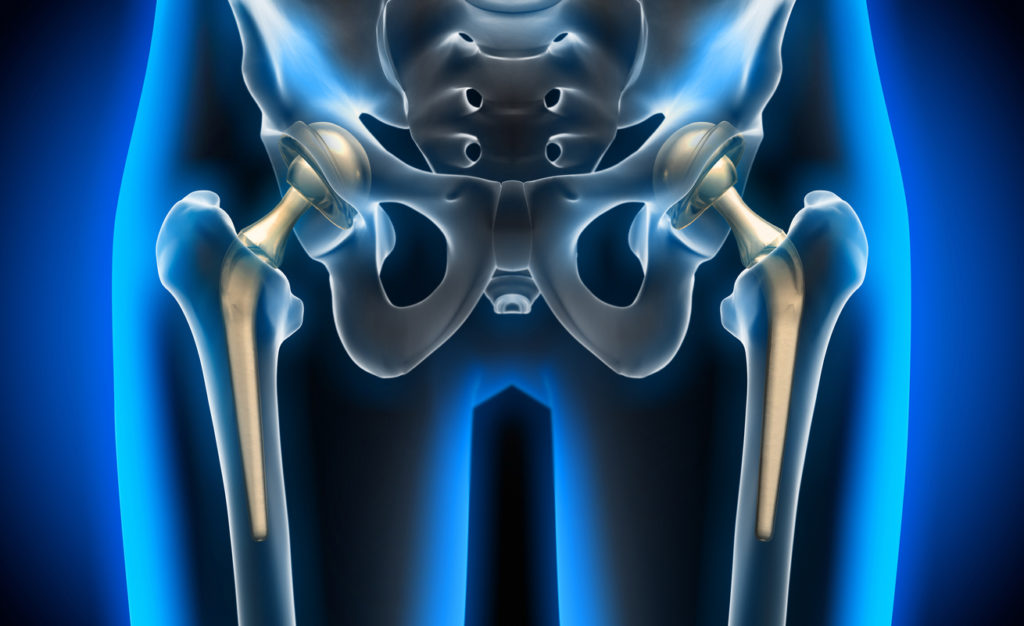
With more than half of the population of Boca Grande at 65 years and older, it’s no surprise that patients needing – or recovering from – hip surgery is something we’re used to dealing with at the Clinic. In this instalment of “Ask a Doc,” Raymond A. James, D.O. answers questions about what to expect with hip replacement surgery.
What kind of hip replacement surgery is out there?
There are two kinds of hip replacement surgery – total and partial. With total hip replacement, the entire damaged bone or cartilage is replaced with a prosthetic component. This is one of the most common types of joint replacement performed in the United States, with more than 450,000 a year.
This procedure is more complicated and has a more challenging recovery period. Partial hip replacement is recommended for patients whose hip joint ball is worn and needs to be replaced with a prosthesis. This procedure is more straightforward and has the shortest recovery period. It accounts for a quarter of all hip procedures, with nearly 100,000 operations performed per year in the United States.
When is hip replacement surgery considered?
Hip replacement surgery is for patients who are having pain that impacts their daily lives and limits activities and disrupts sleep. Osteoarthritis is the most common cause of a hip wearing out and can be accelerated by obesity. When treatments like physical therapy, pain management and exercise haven’t worked, your doctor may recommend surgery.
What should I do to prepare for hip replacement surgery?
Surgery is a big decision that you’ll want to make in close consultation with your primary care physician and an orthopedic surgeon. Preparing for surgery can make your recovery speedy and smooth. Your doctor may recommend you lose a few pounds or build up your strength before surgery. Physical therapy post-surgery is a must, so it’s a good idea to meet with a therapist before surgery and maybe even learn how to do some of post-operative exercises beforehand so you’re a step ahead. You should also make sure help from family and friends is available during your initial recovery. And it you’re alone, talk to your doctor about options like short-term rehab centers.
What is the most common problem after surgery?
Hip dislocations only occur in about 2 percent of cases and infections less than 1 percent. Infections usually occur withing the first week after surgery. Hip dislocation risk is greatest in the first three months after surgery while the tissues are healing. Infection and blood clots are risks of any surgical procedures and something your doctor will discuss with you prior to surgery. The good news is that millions of people who have suffered from hip pain and arthritis have experienced relief and restored mobility through total hip replacement.
Do you have a question for us? If so, please send your questions to the Clinic.
About the Author
Raymond A. James, D.O.

Dr. James joined the Clinic in March 2018 and serves as Medical Director of the Clinic. A graduate of Des Moines University College of Osteopathic Medicine, he completed his residency at Metropolitan Hospital in Grand Rapids, Michigan. He is board certified in emergency medicine and has been awarded fellowship status by the American College of […]
More Recent Healthcare News

Every year we celebrate Doctor’s Day and Nurses Week, but there’s one more recognition event that’s just as important. Administrative Professionals Day is April 24th this year and I want to be sure to bring special attention to three incredibly special members of the Boca Grande Health Clinic family. Jonna Foos, Director of Operations Jonna […]

April, the birth month of James Parkinson, is Parkinson’s Disease Awareness Month. Parkinson’s is a degenerative syndrome that results in the gradual loss of brain circuitry involved in movement, thinking and behavior. According to the National Institutes of Health (NIH), the first clear medical description of Parkinson’s Disease as a neurological condition was written in […]

March 30th marks a special day on our calendar – Doctor’s Day! It’s a time to honor those who dedicate their lives to caring for us. At the Boca Grande Health Clinic, it’s the extraordinary team of board-certified physicians – Dr. Raymond A. James, our Medical Director; Dr. Bret Kueber, the Assistant Medical Director; and […]

Ask a Doc: Kicking Colon Cancer in the Butt
March 22, 2024According to the American Cancer Society, the lifetime risk of developing colorectal cancer is about 1 in 23 for men and 1 in 25 for women. The death rate from colorectal cancer has been dropping in older adults for several decades. Unfortunately, colorectal cancers now rank as the leading cause of cancer death in men […]